
Affiliate Disclosure: This post may contain affiliate links. If you book through one of these links, I may earn a commission at no extra cost to you.
Tucked away in the mountains of central Japan, Shirakawa-go feels like a place from another time.
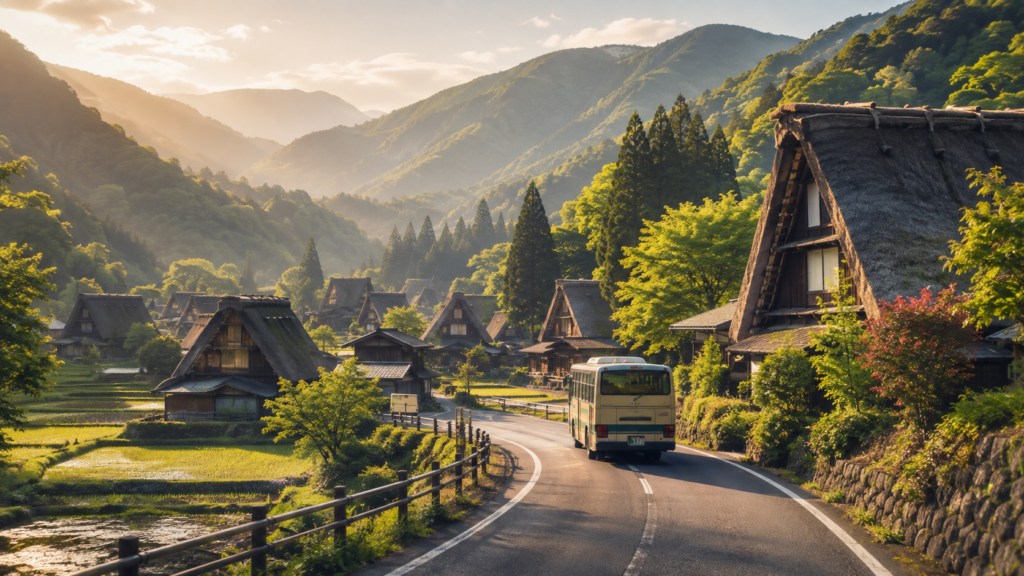
The village is famous for its traditional gassho-zukuri farmhouses, with steep thatched roofs designed for the heavy snowfall of the region.
Together with the historic villages of Gokayama, Shirakawa-go was designated a UNESCO World Heritage Site in 1995. The World Heritage property includes Ogimachi in Shirakawa-go and Ainokura and Suganuma in Gokayama.
Whether you visit beneath the green mountains of summer, surrounded by autumn colors, or covered in deep winter snow, Shirakawa-go offers one of the most memorable rural landscapes in Japan.
This guide covers the best things to do in Shirakawa-go, how to get there from Takayama and Kanazawa, and convenient tours for travelers who prefer an easier day trip.
- Why Visit Shirakawa-go?
- Best Things to Do in Shirakawa-go
- How to Get to Shirakawa-go
- From Takayama
- From Kanazawa
- Takayama or Kanazawa: Which Is Better for Shirakawa-go?
- Best Time to Visit Shirakawa-go
- How Long Do You Need in Shirakawa-go?
- Is Shirakawa-go Worth Visiting?
- Plan Your Shirakawa-go Trip
- Keep Exploring Hidden Japan
Why Visit Shirakawa-go?
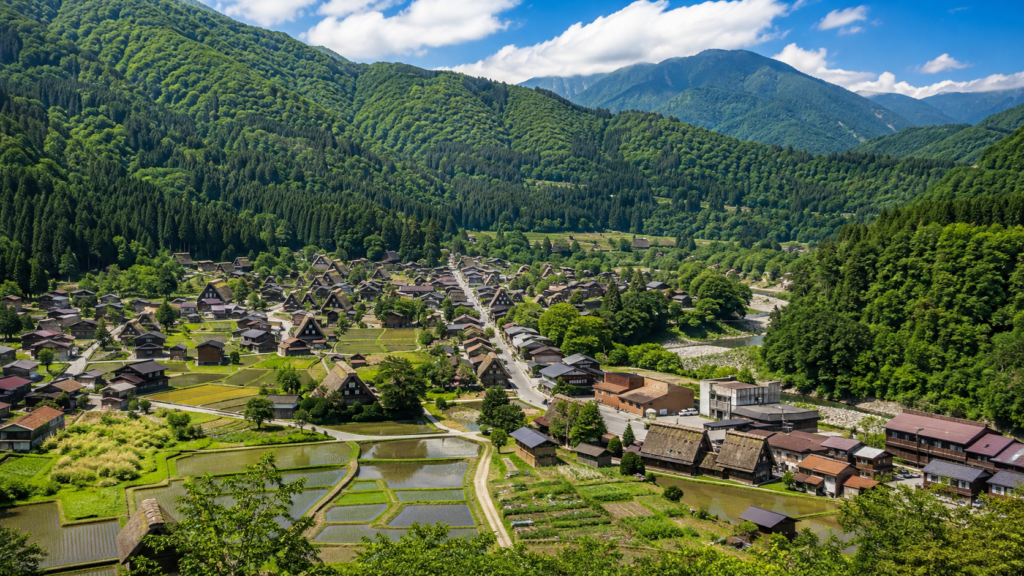
The biggest reason to visit Shirakawa-go is simple: there are few places in Japan that look quite like it.
The traditional farmhouses are known as gassho-zukuri, a name inspired by their steep roofs resembling hands joined in prayer.
These houses were shaped by the region’s mountainous environment and traditional way of life. UNESCO describes the villages as exceptional examples of traditional settlements adapted to their natural, social and economic surroundings.
But Shirakawa-go is more than its architecture.
Walk through the village and you’ll find rice fields, narrow roads, mountain views and traditional houses forming a landscape that feels far removed from Japan’s major cities.
Best Things to Do in Shirakawa-go
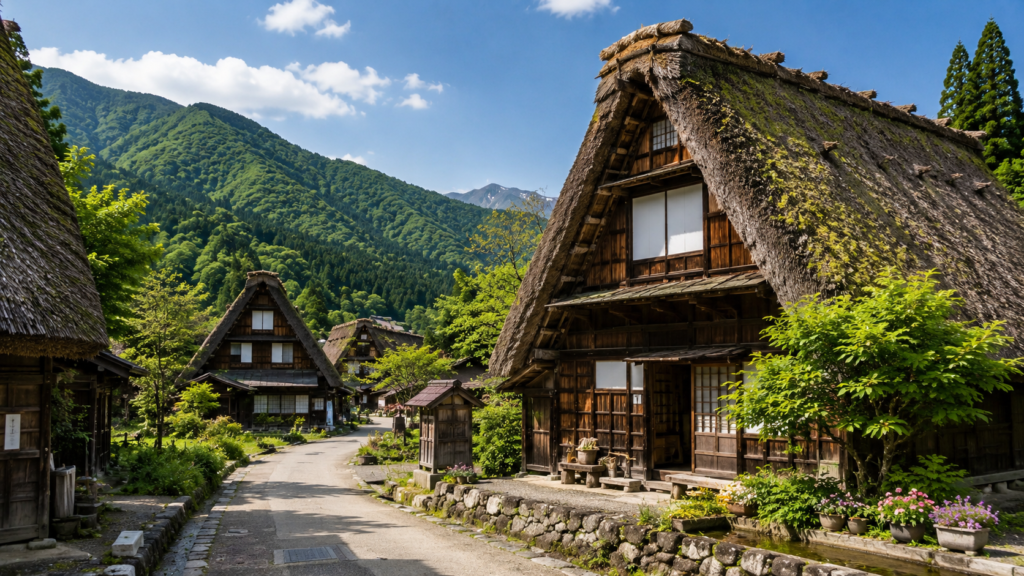
1. Walk Through Ogimachi Village
Ogimachi is the main historic village of Shirakawa-go and one of the three villages included in the UNESCO World Heritage property.
One of the best ways to experience it is simply to explore on foot.
Instead of rushing from one attraction to another, take time to wander through the village and enjoy the contrast between the traditional thatched houses and the surrounding mountains.
📌 Hidden Japan Tip:
Give yourself some time without a fixed route. Some of the most beautiful views appear while simply walking through the quieter parts of the village.
2. Step Inside a Gassho-zukuri House
Seeing the farmhouses from outside is beautiful, but entering one gives you a much better sense of how these remarkable buildings were actually used.
The steep thatched roofs weren’t simply decorative. They developed in response to the local environment and traditional livelihoods of the region. Historically, activities such as silkworm raising were part of life inside these large houses.
If you have time, include at least one historic house in your visit.
3. See Shirakawa-go from Above
Some of the most iconic photographs of Shirakawa-go show the entire village surrounded by mountains.
Seeing the village from above gives you a completely different perspective from walking among the houses.
This is also where you really understand why Shirakawa-go has become such an unforgettable image of rural Japan.
📷 Photography Tip:
Wide compositions work beautifully here because they capture both the village and its mountain setting.
4. Explore Gokayama and Ainokura
If you love the atmosphere of Shirakawa-go, consider extending your trip to Gokayama.
This is an important distinction that many first-time visitors miss:Shirakawa-go and Gokayama are not the same village.
The UNESCO World Heritage property consists of three historic settlements:
- Ogimachi — Shirakawa-go
- Ainokura — Gokayama
- Suganuma — Gokayama
Ainokura in particular fits the Hidden Japan concept beautifully: mountain scenery, traditional architecture and a quieter rural atmosphere.
For travelers interested in traditional Japan rather than simply checking off famous attractions, combining Shirakawa-go and Gokayama can make an excellent day trip.
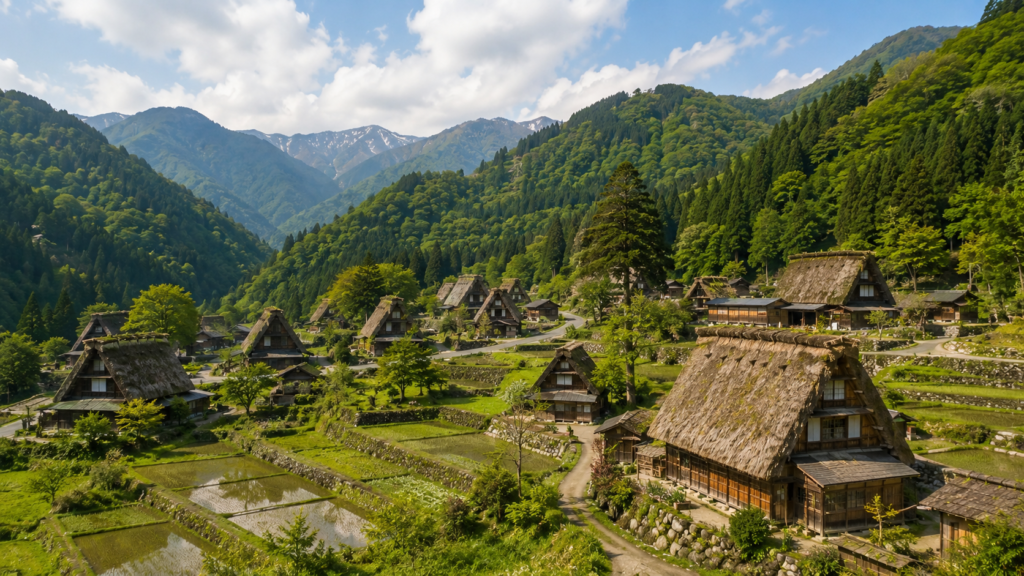
How to Get to Shirakawa-go
One thing to know before planning your trip is that Shirakawa-go isn’t connected directly to Japan’s railway network.
For many travelers, Takayama and Kanazawa are two practical bases from which to include Shirakawa-go in a wider Japan itinerary.
You can arrange transportation independently, or choose an organized day tour if you’d rather avoid coordinating the trip yourself.
From Takayama
Takayama works particularly well if your itinerary already includes the Japanese Alps.
A trip combining Takayama → Gokayama → Shirakawa-go lets you experience several sides of traditional rural Japan within the same region.
For travelers who don’t want to organize transportation separately, there are guided bus tours departing from Takayama.
🚌 Easy Option from Takayama
One option is the World Heritage Gokayama Ainokura and Shirakawa-go sightseeing bus tour shown on Viator.
The itinerary includes Ainokura in Gokayama and Shirakawa-go, making it especially relevant if you want to see more than one historic village in a day.
See dates, availability & current prices →
From Kanazawa
Kanazawa is another convenient base for exploring the mountain villages.
This can work particularly well for travelers building a route through central Japan and wanting to add rural scenery between larger destinations.
🚌 Easy Option from Kanazawa
The Viator tour you found combines Shirakawa-go, Gokayama and the wood-carving town of Inami.
That makes it a different proposition from the Takayama tour.
Rather than simply selling both as “Shirakawa-go tours,” we can differentiate them:
Takayama tour → best for Shirakawa-go + Ainokura
Kanazawa tour → best for travelers wanting several traditional destinations in one day
Recommended for Travelers Based in Kanazawa
Explore Shirakawa-go and other traditional mountain communities without having to organize each part of the journey separately.
See dates, availability & current prices →
Takayama or Kanazawa: Which Is Better for Shirakawa-go?
Neither is automatically better.
Choose based on the rest of your Japan itinerary.
Choose Takayama if:
You are already exploring the Japanese Alps and want to combine Shirakawa-go with the traditional atmosphere of Takayama and Gokayama.
Choose Kanazawa if:
Kanazawa is already part of your route and you want to visit Shirakawa-go without making Takayama another overnight destination.
The important point is not to build your entire itinerary around the tour.
Instead, choose the departure city that naturally fits your wider Japan trip.
Best Time to Visit Shirakawa-go
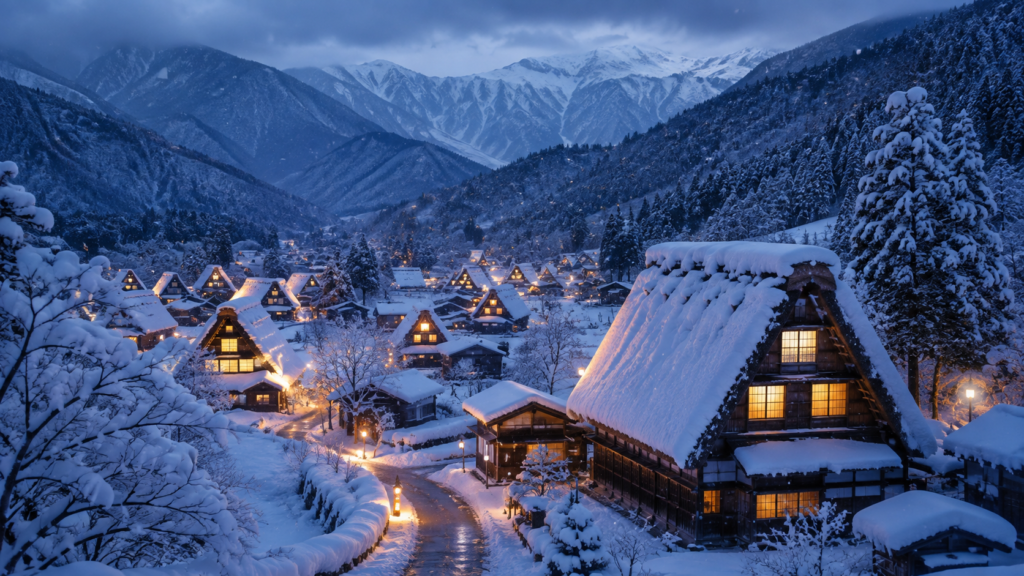
There isn’t one single best season.
Each gives Shirakawa-go a different character.
🌸 Spring
Fresh greenery gradually returns to the mountains, creating a softer landscape around the traditional houses.
🌿 Summer
Rice fields and surrounding mountains turn intensely green, creating the classic rural-Japan scenery.
🍁 Autumn
Autumn foliage adds warm colors to the mountain landscape and traditional village.
❄️ Winter
Heavy snow transforms the steep-roofed houses and surrounding mountains into the scenery for which Shirakawa-go is especially famous.
If your dream is to see the iconic snowy version of the village, winter is the obvious choice—but it also requires more careful planning around weather and transportation.
How Long Do You Need in Shirakawa-go?
For many travelers, Shirakawa-go works well as part of a day trip.
If your main goal is to walk around Ogimachi, see the gassho-zukuri houses and enjoy the village scenery, you don’t necessarily need to stay overnight.
However, travelers interested in slower travel may prefer spending more time in the area or combining Shirakawa-go with Gokayama.
That is particularly worthwhile if your idea of Japan is less:
Tokyo → Kyoto → Osaka
and more:
mountains → traditional villages → local
landscapes → slow travel.
Is Shirakawa-go Worth Visiting?
For travelers interested in traditional architecture, mountain scenery and rural Japan, yes.
But there’s an important distinction. Don’t visit Shirakawa-go expecting an undiscovered village with no other tourists.
Visit because it preserves a landscape and architectural tradition that is genuinely unusual even within Japan.
The UNESCO designation recognizes the historic settlements of Ogimachi, Ainokura and Suganuma as exceptional examples of a traditional way of life adapted to their environment.
And if you want something quieter alongside Shirakawa-go, adding Ainokura or Suganuma in Gokayama is a natural extension.
Plan Your Shirakawa-go Trip
If Shirakawa-go is on your Japan itinerary, decide first whether Takayama or Kanazawa fits your route better.
Then choose between traveling independently and taking an organized tour.
From Takayama
Shirakawa-go + Gokayama / Ainokura
From Kanazawa
Shirakawa-go + Gokayama + Inami
Prices and availability can change, so I recommend checking the current details for your travel date before booking.
Keep Exploring Hidden Japan
If you enjoyed Shirakawa-go, continue exploring some of Japan’s most beautiful traditional landscapes.

コメント